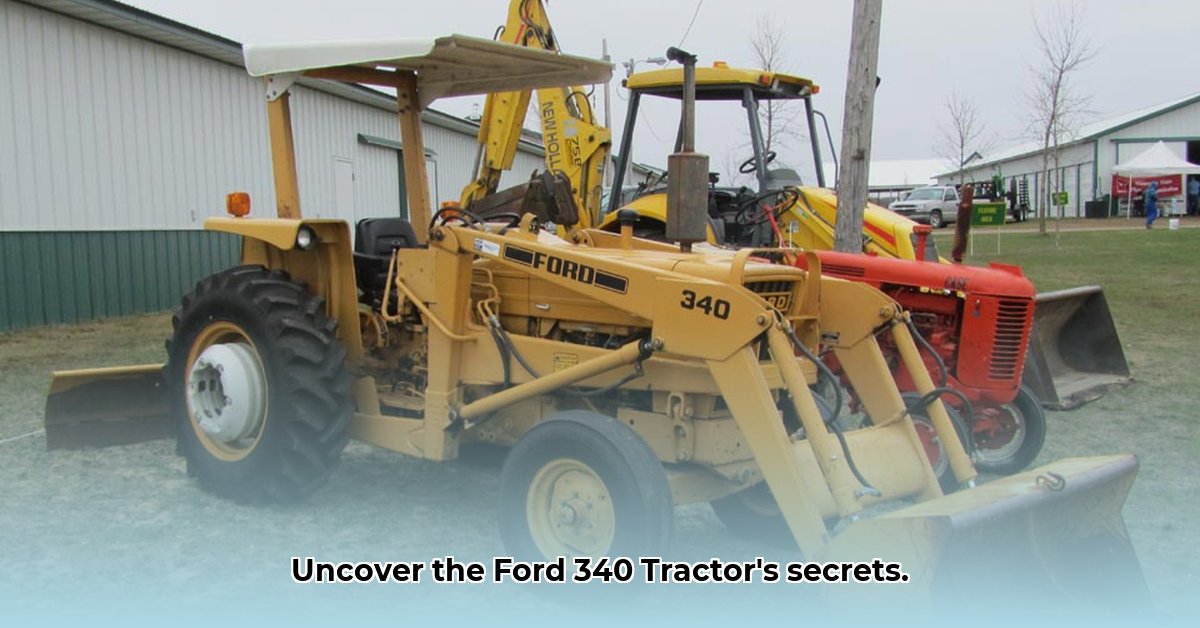
The Ford 340 tractor, a stalwart of the late 1970s and early 1980s, holds a unique appeal for collectors. Its robust design, straightforward mechanics, and relative rarity make it a prized find for enthusiasts. This comprehensive guide explores the Ford 340, from its technical specifications to restoration tips and market valuation. For help locating your tractor's serial number, see this helpful guide: Serial Number Location.
Technical Specifications: A Closer Look
The Ford 340, produced between 1979 and 1981, boasted approximately 47.5 gross horsepower, available in gasoline or diesel configurations. While not a powerhouse compared to modern tractors, its dependability and robust build were hallmarks of the era. Its 6 or 8-speed unsynchronized transmission demanded operator skill, adding to its charm for many. The open-operator station offered excellent visibility, although comfort features were limited. Optional Rollover Protection Structures (ROPS) were available, highlighting a growing awareness of operator safety. The tractor's versatility stemmed from its ability to work with various implements, from front-end loaders to backhoes.
Here's a comparison of the gasoline and diesel versions:
| Feature | Gasoline Engine | Diesel Engine |
|---|---|---|
| Gross Horsepower | Approximately 47.5 hp | Approximately 47.5 hp |
| Transmission | 6 or 8-speed, unsynchronized | 6 or 8-speed, unsynchronized |
| Hydraulic System | Open-center | Open-center |
| Fuel Type | Gasoline | Diesel |
| Typical Features | Simpler maintenance, readily available parts (potentially). | Potentially more fuel-efficient, longer engine life. |
Historical Context: A Time of Transition
The Ford 340 emerged during a transitional period in agricultural machinery. Electronics were starting to appear, but the 340 remained resolutely mechanical. This simplicity is precisely what makes it desirable today. Its straightforward design prioritized durability and ease of maintenance—a significant advantage for farmers at the time. While direct comparisons to competitors are difficult due to limited data, its robust build and simplicity gave it a unique appeal. Many believe this simple, yet effective design set it apart from other tractors of its day.
Maintenance and Repair: Keeping Your 340 Running
Maintaining a classic tractor like the Ford 340 requires diligence. Regular maintenance is paramount. This includes scheduled oil changes, filter replacements, and careful inspections of all moving parts. Finding replacement parts may require effort; online forums and specialist suppliers are invaluable resources. Common problem areas include the hydraulic system, transmission, and engine. Preventative maintenance is often far less expensive than emergency repairs.
Essential Maintenance Steps:
- Fluid Checks: Regularly check engine oil, transmission oil, and hydraulic fluid levels. (Low levels can lead to serious damage.)
- Fluid & Filter Changes: Follow the manufacturer's recommended schedule for these crucial maintenance tasks. (This ensures optimal performance and engine lifespan.)
- Belt and Hose Inspection: Inspect belts and hoses for wear and tear; replace promptly if needed. (Worn belts can lead to catastrophic engine failure.)
- Lubrication: Grease all grease fittings as recommended by the manufacturer. (This prevents premature wear and tear.)
- Tire Care: Maintain proper tire inflation. (Improper inflation shortens tire life and affects traction.)
Restoration Guide: Returning a 340 to its Glory
Restoring a Ford 340 is rewarding, demanding patience, mechanical knowledge, and part-sourcing skills. It begins with a careful assessment of the tractor's condition. This is followed by part acquisition, thorough cleaning, and meticulous repair or replacement. Engaging with online communities dedicated to Ford 340 enthusiasts provides invaluable support.
Collecting and Valuation: The 340 and Today's Market
The Ford 340 occupies a niche in the collector's market. Value varies significantly, depending on condition, originality, and completeness. A fully restored tractor in pristine condition commands a higher price than a project machine. Online tractor forums and auction sites offer insights into current market prices. As with many collectables, condition is king.
Advantages and Disadvantages: A Balanced Perspective
Before considering a Ford 340, weigh its advantages and disadvantages carefully:
Advantages:
- Robust and simple mechanical design, making maintenance relatively straightforward.
- Comparatively easy to repair, particularly appealing to those mechanically inclined.
- Excellent visibility from the open operator station.
- Versatile, compatible with a range of implements.
Disadvantages:
- Lower horsepower than modern tractors, limiting its capabilities for heavy-duty tasks.
- Lack of modern comfort features.
- Unsynchronized manual transmission requires skill and practice.
- Part sourcing can be challenging.
The Ford 340, while not without limitations, presents collectors with a compelling piece of agricultural history. Its enduring allure lies in its solid construction, straightforward design and connection to a bygone era. Further research into production numbers and regional variations is actively ongoing.
How to Restore a 1979-1981 Ford 340 Industrial Tractor: A Step-by-Step Guide
Restoring a Ford 340 requires a methodical approach. Here’s a step-by-step guide:
- Disassembly: Meticulously disassemble the tractor, documenting each step with photos and notes.
- Cleaning: Thoroughly clean components, addressing rust and paint stripping as needed.
- Repair/Replacement: Repair or replace worn or damaged parts, paying careful attention to the hydraulic system.
- Rewiring: Often, a complete rewiring is necessary due to age and deterioration.
- Reassembly: Reassemble carefully, referencing your documentation.
- Testing: Thoroughly test all systems before resuming operation.
- Finishing Touches: Apply paint, decals, and other finishing touches to restore its appearance.
Yesterday's Tractors Forum